
Backcountry Skiing Checklist
 Everything you Need for Alpine Ski Touring
Backcountry skiing has become extremely popular in the past decade and continues to rapidly increase as more people discover the sport. Backcountry skiing is a generic term used for Alpine touring (AT) outside of ski resort boundaries. Backcountry skiing can also be combined with Sidecountry skiing, which is when you access the terrain through a lift before exiting the resort. It is important to have the proper equipment when you are skiing in the backcountry- for both safety and fun. Just getting started, or unsure of what you need for backcountry skiing? Check out our backcountry skiing checklist to learn about all of the backcountry skiing essentials.
-
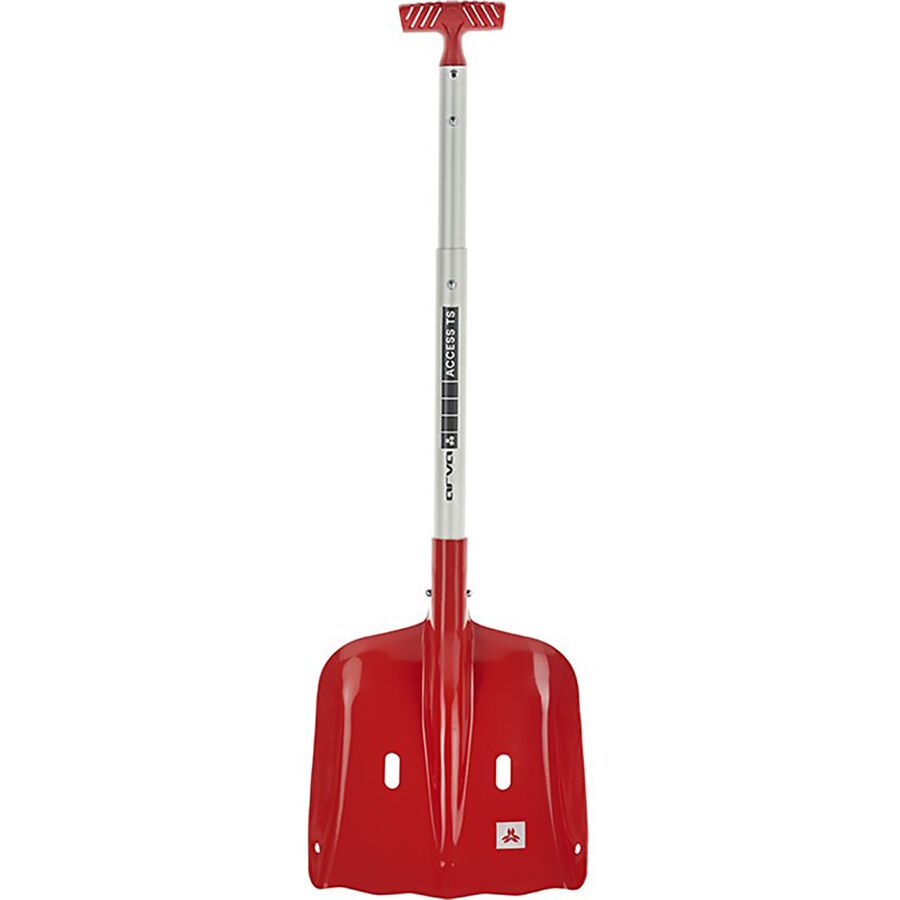 Shovel- Backcountry shovels aren’t just for building jumps! Carrying a shovel with you in the backcountry is essential for avalanche rescue safety. Avalanche shovels can also be used for snowpack and stability tests. Backcountry shovels can vary in design, but they are usually made out of aluminum, because of its lightweight yet durable characteristics. You can find shovels here in some of our online rescue sets.
-
 Probe- An avalanche probe is a necessary safety tool for anyone looking to venture into the backcountry. A probe will help you locate an avalanche victim and determine the burial depth. Avalanche probes come in different lengths, but they all fold down to easily fit in a backpack.
-
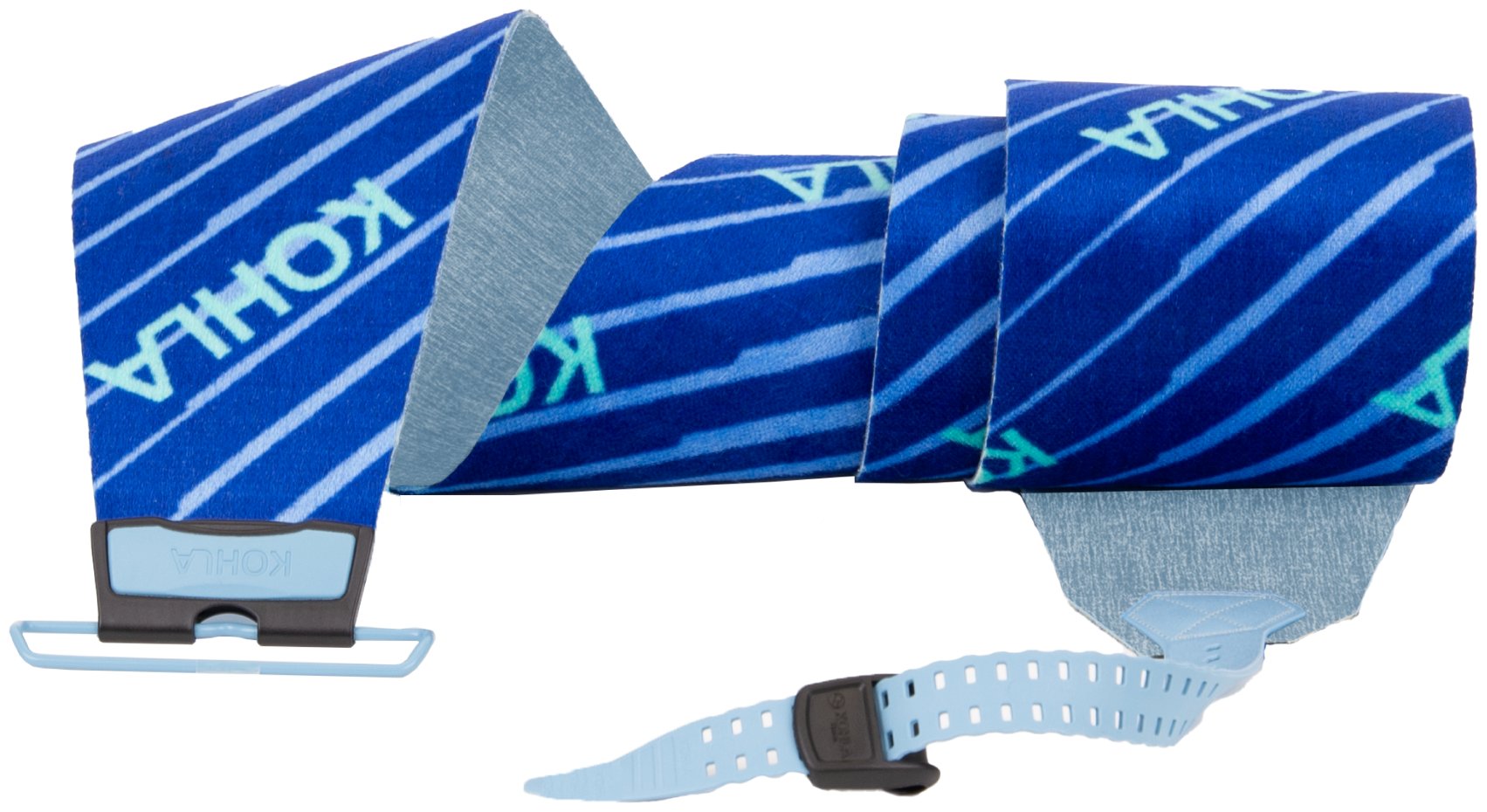 Skins- Touring skins are what allow you to effectively ascent the hill. They are usually made of nylon and/or mohair and help give you traction as you climb. AT skins with more mohair will glide better, but they do not have as much traction as synthetic materials. Typically, skins will have a combination of both for maximum versatility. Skins should be trimmed so that they match the silhouette of the skis. They have an adhesive base, which sticks to the ski and provides traction on the side.
-
 Bindings-
Here is a quick beginner's guide to the three types of bindings in this collection to help you find your perfect match:
Touring Bindings:
Tech (Pin) Bindings: The ultimate choice for efficiency. They use pins that lock directly into the toes of specialized touring boots, making them incredibly lightweight for long climbs.
Frame Bindings: Perfect for beginners who want to use their traditional alpine boots or want a familiar, heavy-duty downhill feel. The entire binding frame lifts up when you walk and locks back down for maximum power on the descent.
Telemark Bindings:
For the dedicated "free-heel" skiers. Telemark bindings keep your heel unlocked at all times both on the way up and on the way down. Modern NTN (New Telemark Norm) systems offer incredible edge control and lateral stability for mastering the perfect drop-knee turn in deep snow.
Contour Bindings:
The easiest, most budget-friendly way to test the backcountry waters. These clever adapters snap directly into your standard, everyday alpine resort bindings. Pop them in to hike up the hill, then remove them and stow them in your pack to click into your regular bindings for a standard downhill run.
-
 Boots- Alpine touring boots have a few unique features designed to increase ski climbing ability. Alpine Touring boots (AT) boots have a walk mode that unlocks the ski boot cuff for ascension, they can then lock into place for skiing downhill. Most AT boots also have ‘pinholes’ to attach to tech bindings. AT ski boots for backcountry touring typically are lighter weight and minimalist in design.
-
 Adjustable poles: Adjustable poles make it easier to adapt to varying terrain. If you are climbing uphill, you likely want shorter poles since they will be above you. However, on flatter terrain, it can be efficient to have longer poles. This way, they can work like hiking poles or cross country poles. They also can be collapsed down for easy traveling and convenience for varying terrain.
-
 Backpack: Alpine touring backpacks usually have dedicated pockets for your avalanche safety equipment, straps for carrying skis, and are anatomically designed for dynamically climbing. It is common to see backcountry backpacks with hydration packs so that hikers can easily stay hydrated without digging through a full pack.
-
 Beacon- Beacons are extremely necessary for anyone who is skiing outside of resort bounds. They allow you to search for others after an avalanche, or for others to find you. It is important that you fully understand how to use your beacon before you venture out because you need to be able to act quickly. Avalanche beacons have varying ranges- the greater the range, the more likely someone else is to find you.
-
 Skis: While any alpine ski can be used for backcountry skiing, athletes tend to opt for lightweight skis that won’t weigh them down as they ascend the mountain. Some backcountry specific skis will have designated slots for the alpine touring skins to clip into. It is usually best to aim for a ski between 95-110 mm underfoot for backcountry skiing. This will you give you width for the powder without too much weight.
-
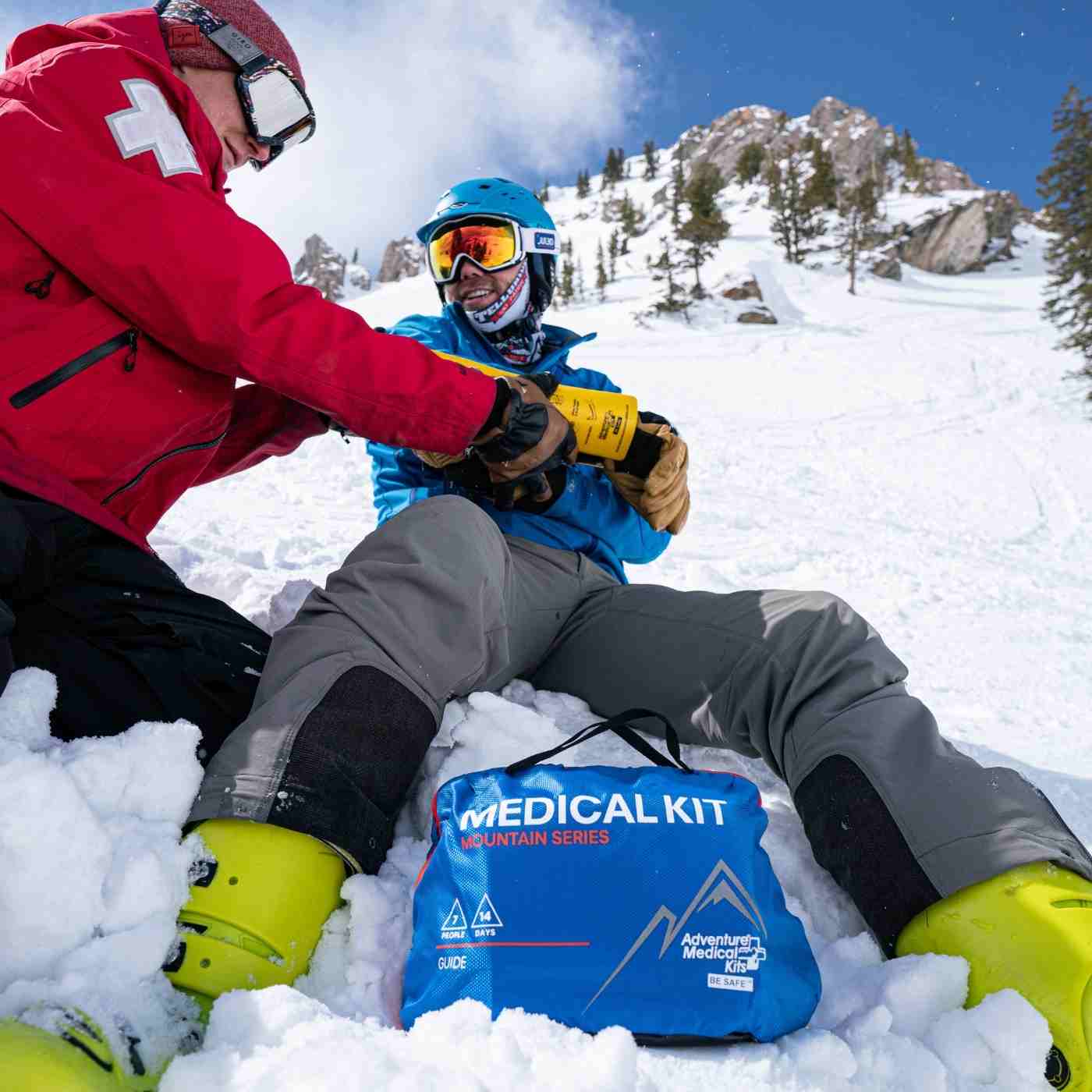 Emergency, Replacement, and Tool Kits:
Anything can happen when you are deep in the backcountry, and being prepared can mean the difference between a minor hiccup and an emergency bivouac. A well-rounded repair and safety kit should always live in your pack.
-
The Repair Kit: At a minimum, carry a multi-tool or a screwdriver that matches your binding pins, heavy-duty zip ties, bailing wire, extra skin clips, and a roll of high-quality duct tape or Voile straps (often called the duct tape of the backcountry). These can patch up torn skins, broken binding pieces, or split poles on the fly.
-
The Medical/Emergency Kit: Alongside tools, never head out without a basic first-aid kit, a headlamp (in case a tour goes longer than planned), a space blanket, and a fire starter
-
-
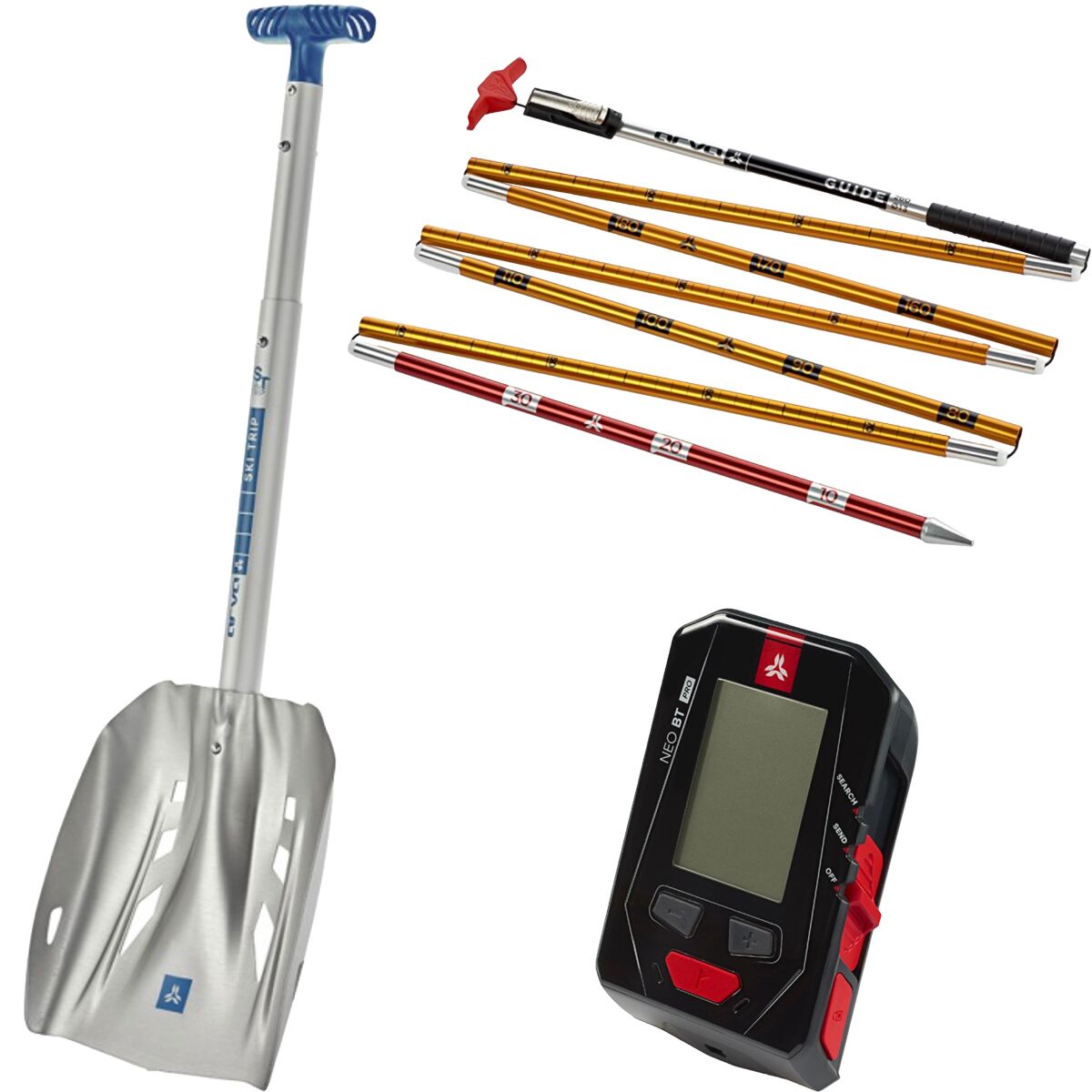 Buy In Bundles!: If you are building your backcountry setup from scratch, look into safety packages and gear bundles. Purchasing your beacon, shovel, and probe together as a packaged rescue set is often much more budget-friendly than buying each piece individually. It ensures all your safety gear is up to date, compatible, and ready to go from day one.
If you are interested in getting started with backcountry skiing, it is critical that you have proper avalanche safety training. Out of everything you need for backcountry skiing, education is the most important. In addition to our backcountry skiing checklist, Utah Ski Gear has a large array of Alpine Touring gear that is perfect for any backcountry or side country expedition.