Learn More
Frequently Asked Questions


Get up to 40% off new 25/26 Gear
You will not be able to use multiple discount codes on a single purchase. Although, discounts can be applied to items that are on sale.
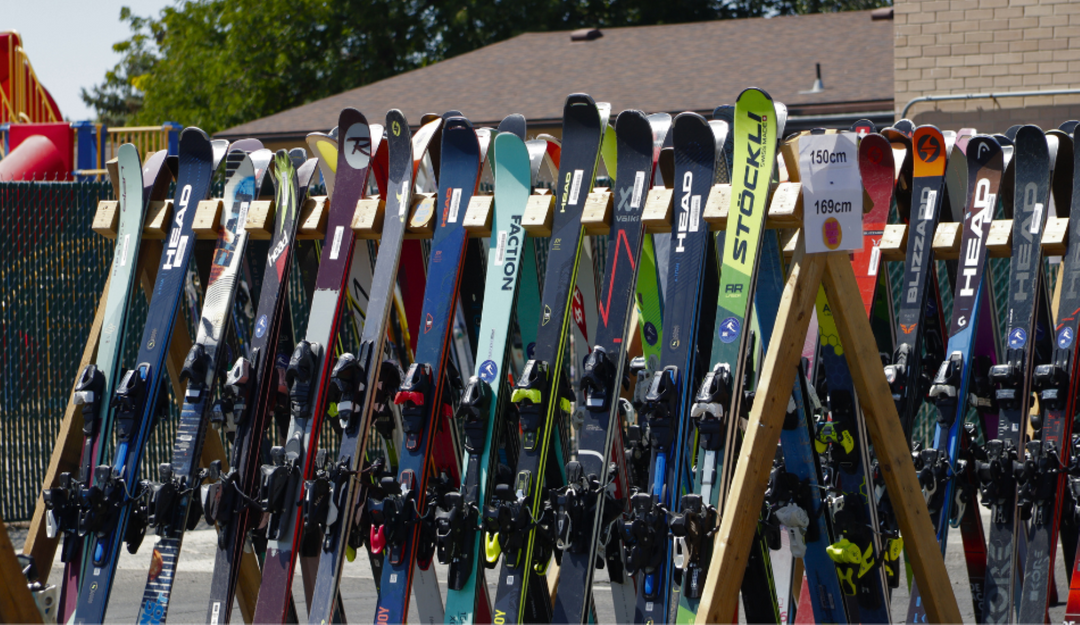
Choosing the right skis comes down to how and where you like to ride. Each ski type is built with a specific purpose in mind, so the best choice depends on your terrain, conditions, and personal style.
All-mountain skis are the most versatile, designed to handle everything from groomers to light powder, making them a go-to for most skiers.
If you love speed and precision on hardpack, carving (frontside) skis feature narrower waists and tighter turn radiuses for clean, powerful edge control.
For deep days, powder skis are wider with more rocker, helping you float effortlessly and stay playful in soft snow.
If you split your time between the resort and the park, freestyle skis are typically twin-tipped for riding switch and built to handle jumps, rails, and creative lines.
For those who venture beyond the lifts, touring (backcountry) skis are lightweight for uphill efficiency while still offering stability on the descent.
Snowboards are designed with specific riding styles and terrain in mind, so the “right” type depends on how you like to ride.
All-mountain boards are the most versatile, built to handle everything from groomers to powder and a bit of park—great for riders who want one board to do it all.
If you spend most of your time in the park, freestyle boards are typically softer, lighter, and often true twin shapes, making them ideal for jumps, rails, and riding switch.
For deep snow and surfy turns, powder boards are usually wider with directional shapes and setback stances, helping you float and stay nimble in soft conditions.
On the other end, freeride boards are built for speed, stability, and control in steeper or more technical terrain, with stiffer flex patterns and directional designs.
There are also splitboards for backcountry riders—these separate into two skis for uphill travel, then reconnect into a snowboard for the descent.
Each type is tuned for a specific experience, so choosing the right one comes down to where you ride most and the style you want to progress in.
BOA® systems have become popular on ski and snowboard boots because they offer fast, precise, and easy fit adjustment. Instead of traditional laces or multiple buckles, a BOA dial lets you tighten or loosen the boot evenly with a simple turn, giving you a secure, customized fit in seconds—even with gloves on.
One of the biggest benefits is micro-adjustability. You can fine-tune pressure across your foot for better comfort and performance, reducing hot spots and pressure points during long days on the mountain. BOA systems also help maintain a consistent fit throughout the day, since you can quickly re-tighten the boot as liners pack out or temperatures change.
They’re also quick and convenient, especially in cold or snowy conditions where fiddling with buckles can be frustrating. Many modern boots even use dual BOA systems, allowing separate adjustment of the upper and lower zones for more precise control over flex and heel hold. Overall, BOA adds speed, comfort, and a more dialed-in feel compared to traditional closure systems.